
Seven Lessons Yard Work Has Taught Me About Leadership
 Doing yard work has taught me valuable lessons about leadership. As I’ve mowed the grass, trimmed trees, pulled weeds, fixed sprinklers, tended plants, and performed numerous other chores in the yard over the years, I’ve been surprised at the number of parallels yard work has provided to my journey as a leader.
Here are seven lessons about leadership I’ve learned from working in the yard:
1. The view from the street may look good, but close inspection tells the real story — I learned this first lesson shortly after planting grass seed in the front yard. Soon after purchasing our house, I worked for weeks remodeling the front yard. I dug up the old lawn, roto-tilled the soil, raked out the old grass and weeds, fertilized, mixed in fresh soil, rolled the ground, planted seed, and watered it religiously on schedule. After a period of weeks I was rewarded with the lush growth of a new lawn that had tremendous curb appeal. From a distance it looked great, but when you got up close, you could see areas of sparse growth and patches of weeds that had sprung up.
I realized that others viewing my leadership probably had a similar view. From a distance it may look like I had everything together, but closer examination would certainly reveal flaws and areas that need improvement. As the caretaker of my personal leadership garden, I’ve learned that I have to be more concerned about the view up close and not worry about what others may think. If I’m taking care of the little things, the big things will take care of themselves.
2. Don’t let the weeds get out of control — It takes constant diligence to keep your yard looking nice. If you don’t keep a regular maintenance schedule, your yard is soon overgrown and the weeds get a foothold that is hard to erase. I’ve learned that being an effective leader requires constant learning and growth. I have to be diligent in taking time to invest in my ongoing development as a leader. If I remain complacent, then my capabilities begin to wither and I’m not able to perform up to my potential.
3. Less is more — If you plant too many varieties of vegetation, you run the risk of having plants that are incompatible with each other. The combination of the type of soil and amount of water and sunlight determine whether a plant will survive, thrive, or eventually wither and die. I’ve learned it’s better to have a few species of plants that have similar needs rather than having some plants that do great and some that end up being an eyesore. As a leader, I’ve found I’m more effective if I focus on doing a few things really  well rather than doing a mediocre job at a lot of things. Finding that sweet spot as a leader where you can leverage your strengths is key to being a success.
4. Regular overhauls are needed — Every once in a while you have to schedule a work day to do a yard overhaul. Even when you’re able to keep up with the regular maintenance, there’s a few times each year where you’ve got to carve out some time to remove dead plants, plant new ones, fix your irrigation system, or even rake all the Fall leaves. Leaders need to schedule their own overhaul times throughout the year. I’ve found it helpful to take a day or two away from the office and take personal stock of how I’m doing and where I want to go in the future. It’s also helpful to periodically review your activities and see what needs to stay and what can go. Do you really need to be attending that weekly meeting or would no one miss you if you didn’t? Do you still need to generate that regular report or does the need for it no longer exist?
5. The long view — Patience is required when taking care of your yard. It takes time for it to reach its potential and no matter what you do you can’t rush Mother Nature. There aren’t any quick fixes in developing a nice yard and neither are there when it comes to being a good leader. Developing as a leader requires that you learn from your everyday experiences. You have to be patient with yourself, knowing that the leader you are today is not what you will be five years from now. Keep creating the conditions that will allow you to grow as a leader and the growth will come in due time.
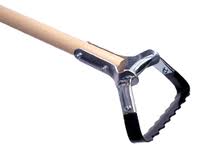 6. Using the right tools makes all the difference — Doing yard work became much more enjoyable (and easier!) the day I discovered the oscillating hoe. Instead of pulling weeds by hand or using a hand-spade to dig them up, I now run my oscillating hoe back and forth over the ground and it pulls the weeds right up. My leadership has also benefited from using the right tools. Whether it’s obtaining more formal education, working with a leadership coach, connecting with mentors, attending training workshops, or even being smart with technology, I’ve learned to keep adding tools to my toolbox so that I have the right tool for the right kind of job.
7. Sometimes you need to call in a pro — There’s been a few times where I’ve gotten in over my head with a project in my yard. After spending too much time spinning my wheels and getting frustrated over my lack of progress, I finally decided to call in a professional to help me with the job. My life would have been so much less stressful if I had done that in the first place. Sometimes it’s necessary to call in a professional in our lives as leaders. A leadership coach can provide a non-biased view of whatever issue you’re facing and having that outside perspective can lead you to new areas of growth and insight that you’d never receive on your own.
Yard work can be dirty, tiring, and downright frustrating…much like leadership! Yet at the end of the day it’s rewarding to look back at the tangible results you’ve achieved and the difference you’ve made in your surroundings.
Have you experienced any leadership epiphanies doing yard work or any other “mundane” activities? If so, share your story by leaving a comment.


